Back to basics

Whether you’re operating in the aerospace, electronics, automotive or scientific sector, manufacturing organisations of all kinds are increasingly looking upstream to their supply chain for added value solutions and marginal gains. We understand that our materials underpin the performance of many hi-tech applications and that our customers rely on us to help them tackle complex operational challenges. We also recognise that in order to stay ahead we must demonstrate proficiency in more than just our core offering.
Last year we shared a number of case study examples demonstrating some of the areas where we’re able to make a difference, including:
- Pre-delivery precision machining, saving non-revenue generating machine time and driving 10%+ improvement in operational efficiency
- Best practice across the business backed by top accreditations that streamline processes and support compliance and sustainability
- Stringent quality control processes, treatments and specialist knowledge ensure products consistently meet the most demanding performance expectations
- Scientific and academic collaborations designed to address some of today’s most pressing manufacturing challenges
These are just a few examples of how we’re constantly pushing the envelope to help our customers achieve more – and without a doubt these services are at the heart of our offering. But today I want to go back to basics, back to talking about the materials themselves. Because without the right materials, there can be no added value services or marginal gains.
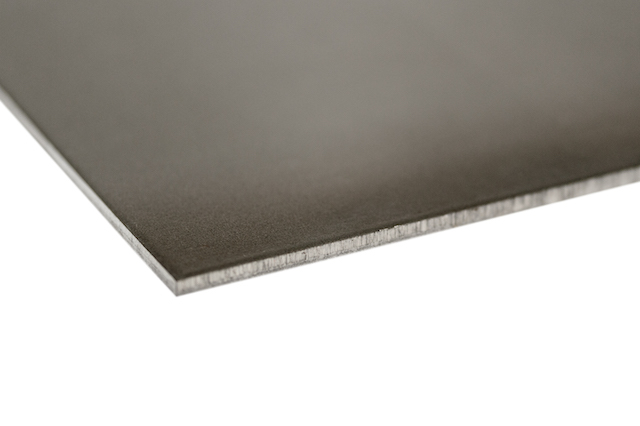
Over recent years, we’ve taken decisive steps to ensure our customers can always access the materials they need. Our UK-certified, premium quality products are sourced from trusted partners in countries such as France, Germany, China and the US as part of a structured procurement programme. We have large warehousing facilities for most material formats including rods, bars, sheets, plates and coils – so our customers can nearly always rely on us for materials that are often in short supply elsewhere.
All Nicofe-supplied materials come with full chain custody in line with our AS9120 accreditation, and we’re committed to ensuring our suppliers support responsible sourcing practices and supply chain transparency. The Conflict Minerals Reporting Template (CMRT) for tin, tungsten, tantalum and gold, and the Extended Minerals Reporting Template (EMRT) for cobalt, mica, copper, graphite, lithium, and nickel are both fundamental to our compliance procedures. These tools help us conduct due diligence by enabling the accurate transfer of important supply chain data. This information serves to validate product journeys, supports ethical sourcing and ensures sustainable practices across the supply chain.
During the next couple of months or so, we’ll be looking more closely at some of our most important materials, tracing their origins, and plotting their journeys through the supply chain. We believe that such attention to detail is vital to ensuring consistent product performance, as well as supporting compliance and sustainability reporting. So if you’re interested to see how your materials get to our warehouse shelves and want to know why we’re so confident in assuring their provenance and quality, keep an eye on your inbox!
In the meantime, as always, please get in touch with me directly with any questions about our materials and support services, special requirements or order enquiries and I’ll do my best to help!